

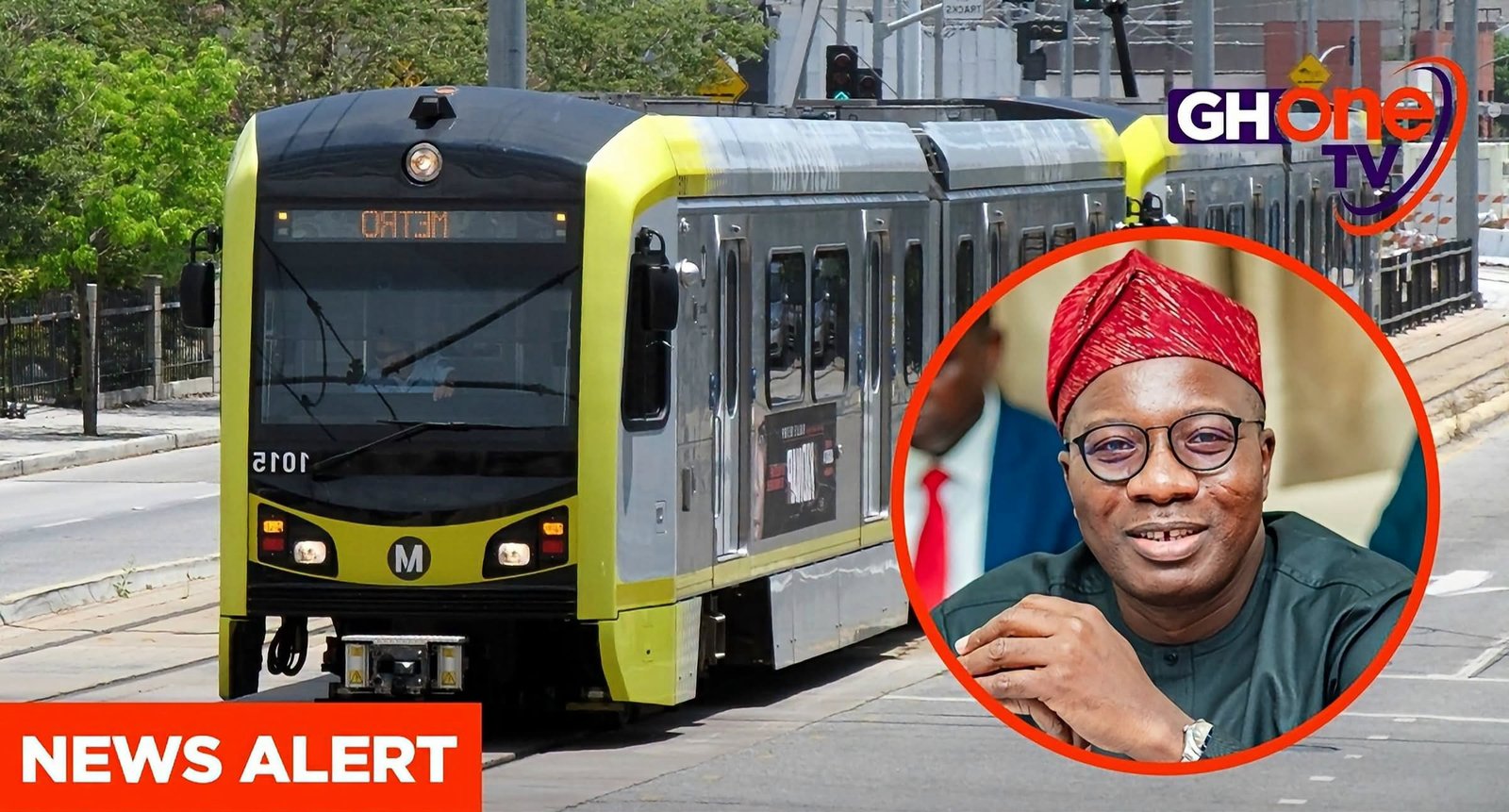
The Government of Ghana is moving to significantly modernise urban transport by exploring light rail systems as a long-term replacement for the Aayalolo contra-flow bus operations. Speaking on the state of urban mobility, the Minister for Local Government, Chieftaincy, and Religious Affairs, Mahama Ayariga, disclosed that the transition aims to provide a more permanent and capacity-rich solution to the persistent traffic congestion plaguing major corridors. While the contra-flow bus system provided temporary relief during peak hours, government assessment points to light rail as the viable future for high-volume commuter transit.
The decision follows extensive trials and reviews of the Aayalolo contra-flow arrangement, which allowed rapid buses to travel against the standard flow of traffic to shorten travel times into central business districts. Though the pilot demonstrated clear speed improvements and operational feasibility, managing dedicated road space within existing, densely packed urban corridors revealed structural limitations. Transport experts and policymakers concluded that while bus rapid transit (BRT) serves valuable short-to-medium-term roles, fixed-guideway rail transit offers vastly superior reliability, passenger capacity, and safety.
Minister Ayariga emphasized that light rail infrastructure represents a strategic shift toward modern, sustainable urban infrastructure capable of keeping pace with rapid population growth. A light rail transit network will integrate seamlessly with municipal transport corridors, moving thousands of commuters efficiently each hour while reducing vehicular emissions and lowering operational friction on major arteries. Pre-feasibility evaluations and technical planning are expected to guide the framework for corridor selection and public-private partnerships required for the rail infrastructure.
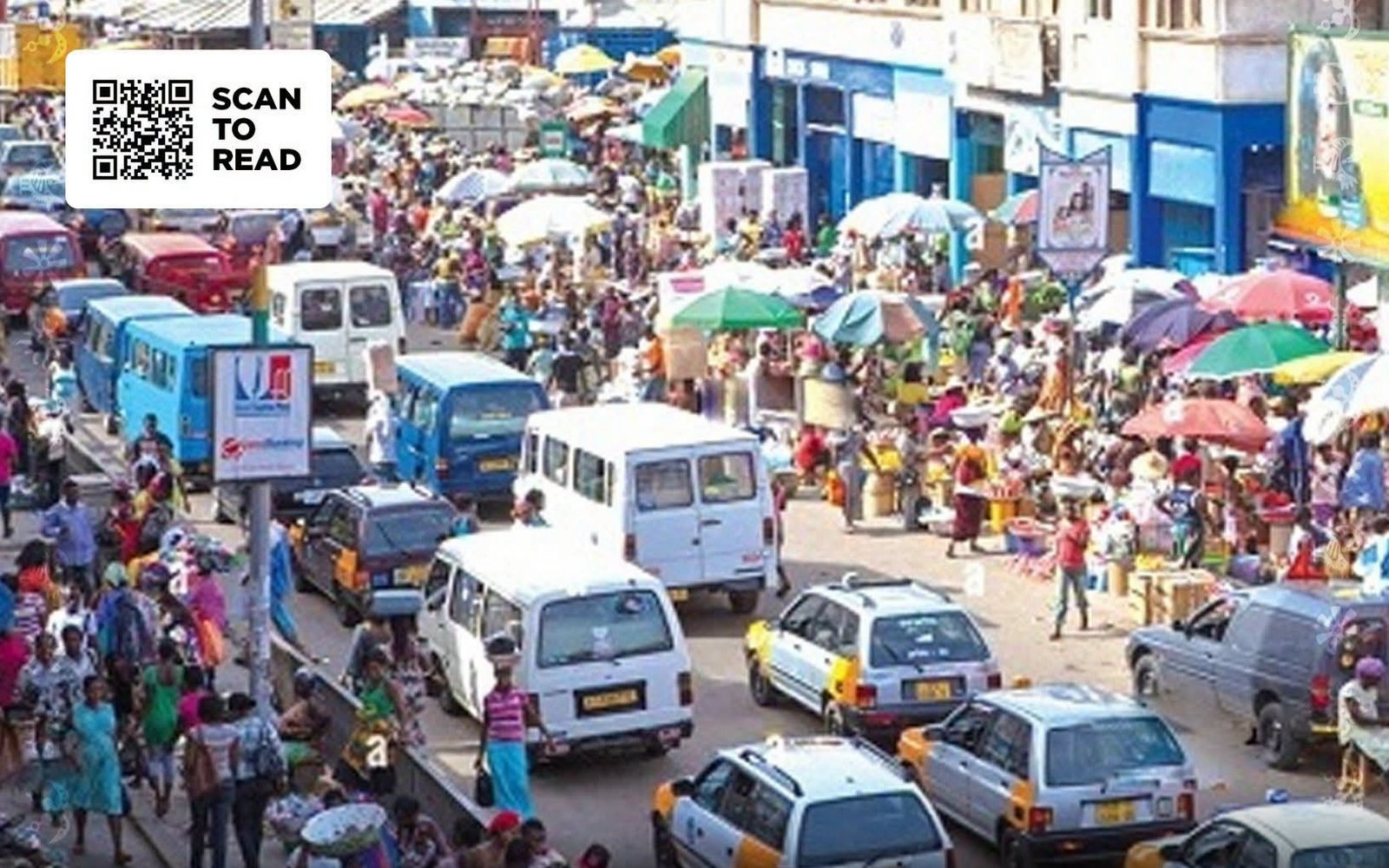
This transition underlines a comprehensive effort to overhaul public transportation systems across major metropolitan areas. By shifting reliance from surface-level contra-flow bus corridors to grade-separated or dedicated light rail networks, the government aims to enhance worker productivity, streamline daily commutes, and establish a resilient transit backbone for the capital and surrounding municipalities. Stakeholder engagements will continue as technical frameworks for the light rail project undergo further review.
@Volta Today

Comments
No comments yet. Be the first to share your thoughts!
Leave a Comment