

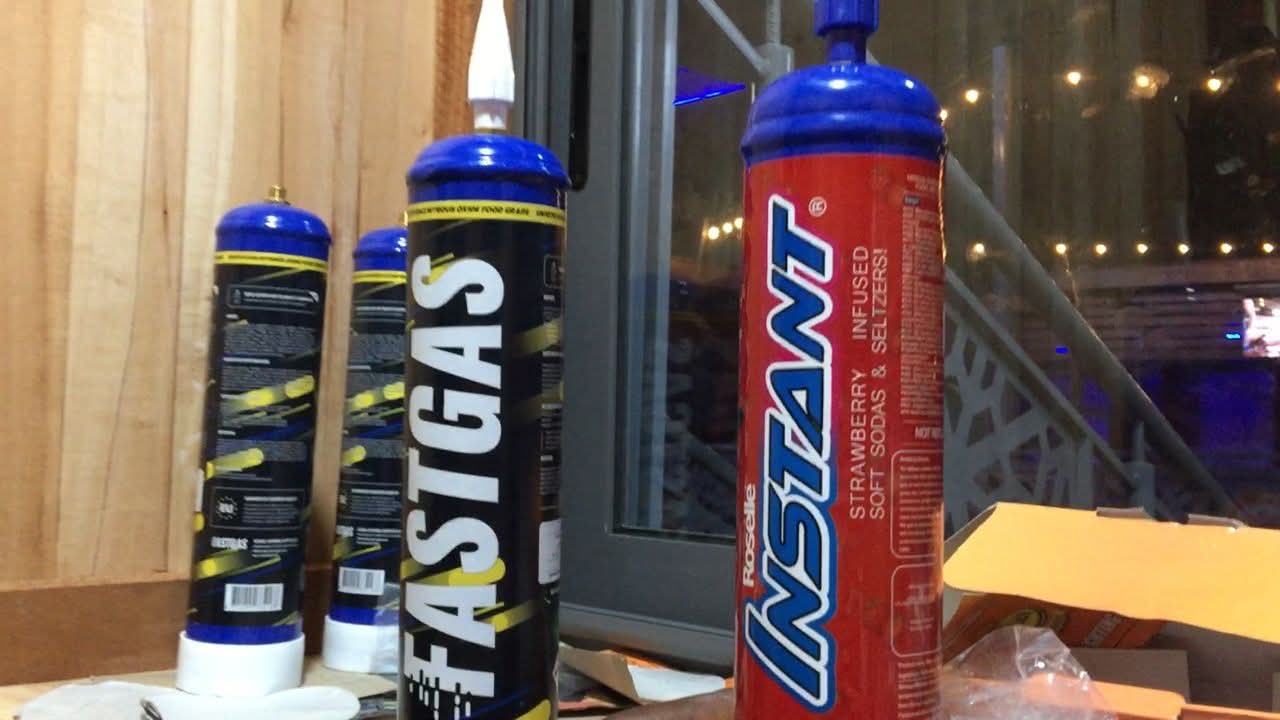
A growing body of commentary is calling on authorities in Ghana to rethink their response to the misuse of nitrous oxide—commonly known as laughing gas—by shifting attention beyond street-level users to the systems that allow the substance to enter and circulate within the country.
The report, filed by Shine Nutepe Attipoe, our Volta Regional correspondent, observes that much of the public conversation has focused on young people inhaling the gas at social gatherings such as clubs and parties, often using balloons and small metal canisters.
While these scenes have dominated media coverage and public concern, the commentary argues that they represent only the visible end of a much larger and largely unexamined supply chain.
Nitrous oxide is a legally recognized substance with legitimate applications in medicine and industry. It is widely used as an anaesthetic in healthcare settings and as a propellant in food products such as whipped cream.
However, its increasing recreational use—particularly among young people—has raised serious health concerns. Medical experts warn that prolonged or excessive exposure can lead to nerve damage, impaired memory, breathing complications, psychological disorders, and in severe cases, paralysis.
According to the research and investigations conducted, the widespread availability of nitrous oxide on the streets suggests regulatory gaps, especially considering that the gas is not produced locally in significant quantities. Its presence in informal settings points to weaknesses in import control, distribution tracking, and enforcement mechanisms.
The report therefore calls for tighter oversight at the country’s ports of entry, urging institutions such as the Ghana Revenue Authority, Food and Drugs Authority, Narcotics Control Commission, and Ghana Standards Authority to strengthen coordination. It recommends the establishment of comprehensive tracking systems to monitor import volumes, identify licensed importers, and verify the intended use of the substance.
In addition, the piece advocates for stricter licensing regimes for businesses that handle nitrous oxide for medical or industrial purposes. Regular audits and inspections, it argues, would help ensure compliance, while tougher sanctions could deter diversion of the gas into illicit markets.
The commentary also criticizes what it describes as “selective enforcement,” where attention is disproportionately directed at users—often young people—while those involved in importation and distribution escape scrutiny. It stresses that without addressing these upstream actors, efforts to curb abuse will remain ineffective.
Beyond regulatory measures, the report underscores the importance of public education and community engagement. It highlights the role of parents, schools, religious institutions, healthcare professionals, and the media in raising awareness about the dangers associated with nitrous oxide misuse and in promoting healthier alternatives.
The commentary concludes that by the time a young person gains access to laughing gas, multiple checkpoints in the system have already failed. A sustainable solution, it argues, must adopt a balanced strategy that tackles both supply and demand, combining enforcement with education to protect public health.
BY: Philip Kendriz Elikem


Comments
No comments yet. Be the first to share your thoughts!
Leave a Comment