

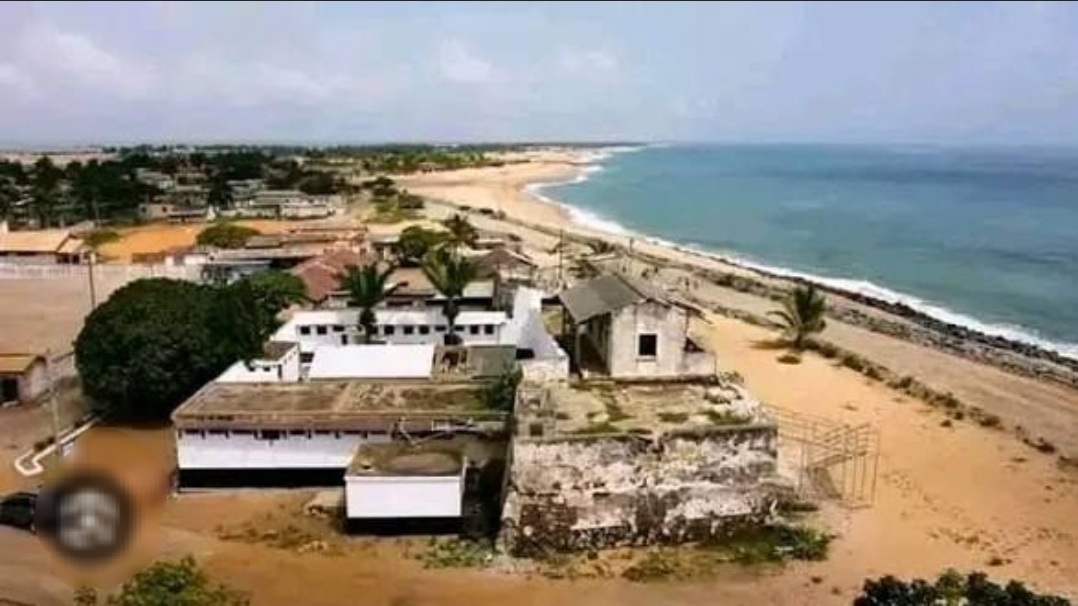
The coastal stretches of Ghana’s Volta Region stand as powerful yet often overlooked witnesses to the transatlantic slave trade. Stretching along the Gulf of Guinea east of the Volta River, towns like Keta, Anloga, and Atorkor formed critical nodes in the network that funneled millions of Africans into bondage across the Atlantic. While global attention frequently centers on the grand castles of Elmina and Cape Coast further west, the Volta littoral bridging the Gold Coast and the infamous Slave Coast played a pivotal logistical and commercial role from the 17th to 19th centuries.
European traders, particularly the Danes, recognized the strategic value of these shores. In 1784, they constructed Fort Prinzenstein at Keta, a sturdy bastion that served as both a trading post and holding facility for enslaved captives. The fort’s cannons guarded lucrative exchanges where local merchants and middlemen supplied human cargo alongside salt, fish, and other goods. Anlo-Ewe communities in the area navigated complex alliances and rivalries, sometimes resisting incursions while others engaged in the trade networks that extended deep into the interior, linking northern markets to coastal embarkation points.
Atorkor, a modest settlement in the Anlo district, emerged as one of the region’s most active slave markets. Oral traditions and memorials recount harrowing scenes of deception and capture, where local youths were sometimes lured or raided and sold to European agents. The town’s proximity to the sea allowed for efficient loading onto ships bound for the Americas, contributing to the estimated hundreds of thousands who passed through Volta-area ports and beaches. These operations were embedded in broader regional power dynamics, including wars that generated prisoners of war who were then commodified.
The human toll was profound. Families were torn apart, communities destabilized, and cultural fabrics rewoven under the pressures of violence and economic incentives tied to European demand for labor in New World plantations. Survivors who endured the Middle Passage carried fragments of Volta heritage languages, spiritual practices, and resilience that enriched diaspora cultures from the Caribbean to Brazil and the United States. Today, remnants like the eroding walls of Fort Prinzenstein and commemorative sites in Atorkor and Hedzranawo serve as solemn reminders.
As Ghana and the international community continue efforts toward historical reckoning and reparative justice, spotlighting the Volta coast enriches the narrative of the slave trade’s vast footprint. Museums, memorials, and educational programs in the region invite reflection on this shared past, fostering dialogue about legacy, memory, and healing. Historians emphasize that understanding these lesser-highlighted sites is essential to grasping the full scope of how West African coasts collectively propelled one of humanity’s greatest forced migrations.

Comments
No comments yet. Be the first to share your thoughts!
Leave a Comment