

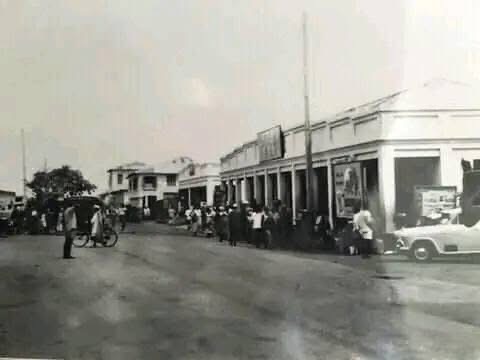
Keta, which serves as a coastal and riparian ancient trading city dotted along the Gulf of Guinea in the southeastern coast of Ghana in the Volta Region was settled in the 15th century by the Anlo-Ewe peoples who migrated from the powerful medieval Kingdom of Notsie (presently in Togo).
In the early days of European merchants and explorers arriving in the fast developing slave coast of west Africa in pursuit of slaves, gold and other resources, Keta was a free and independent traditional state of Anloland trading with neighbouring states and foreigners from as far as Oyo in the east; Akans of Bonoman, Gyaman, Fantiland, Akwamu; the Gbewa city-states and kingdoms of the savannah plains; and, Muslim traders. Keta was fast growing due to its natural harbour and open policy of free trade which attracted European settlers in the early 16th century.
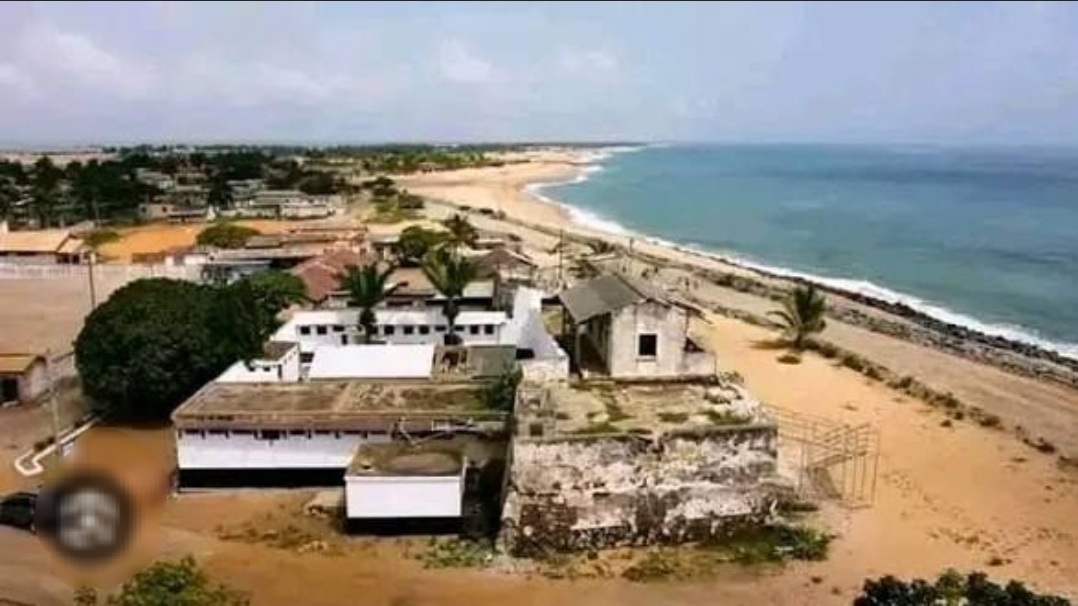
However, Keta and the entirety of the Anlo State remained independent from foreign occupation or rule until 1734 when the Dutch trading company established its first trading port named Fort Singelenburgh in Keta without the consent of the traditional rulers and the foreign merchants residing in Keta. The Anlo-Ewes together with the foreign merchants in Keta revolted against the Dutch and the Fort was shut down in 1737.
Keta continued as a free trading port after the shutdown of Fort Singelenburgh by the people and became one of the busiest trading ports and market for slave trade in the subregion which led to Denmark finally taking charge of Keta and building the Fort Prinzeinstein in 1784 thereby incorporating the area into the Danish Gold Coast colony.
In the late 1780s, the British occupied Keta, Ada and surrounding territories of the Danish Gold Coast. The Danes on 30 March 1850, sold the entire Danish Gold Coast to the British and was incorporated into the British Gold Coast.
Keta and the entire city-states of Anlo State being part of the British Gold Coast from 1850 and later the Gold Coast until independence in 1957, contributed immensely to the struggle for independence, national development and in international relations.
Anlo State which includes Keta is today, a formidable traditional state in Ghana with enormous opportunities in areas tourism, fin-tech, artificial intelligence, trade, industry, education, etc. The area is also a potential port city and a petrochemical industry awaiting for foreign direct investments to enhance its potentials and create jobs.
Comments
No comments yet. Be the first to share your thoughts!
Leave a Comment