


Finance Minister Dr. Cassiel Ato Forson has announced a strategic US300 million investment scheduled for rollout between 2027 and 2028 to establish a National Artificial Intelligence Centre and upgrade rural 2G mobile networks.
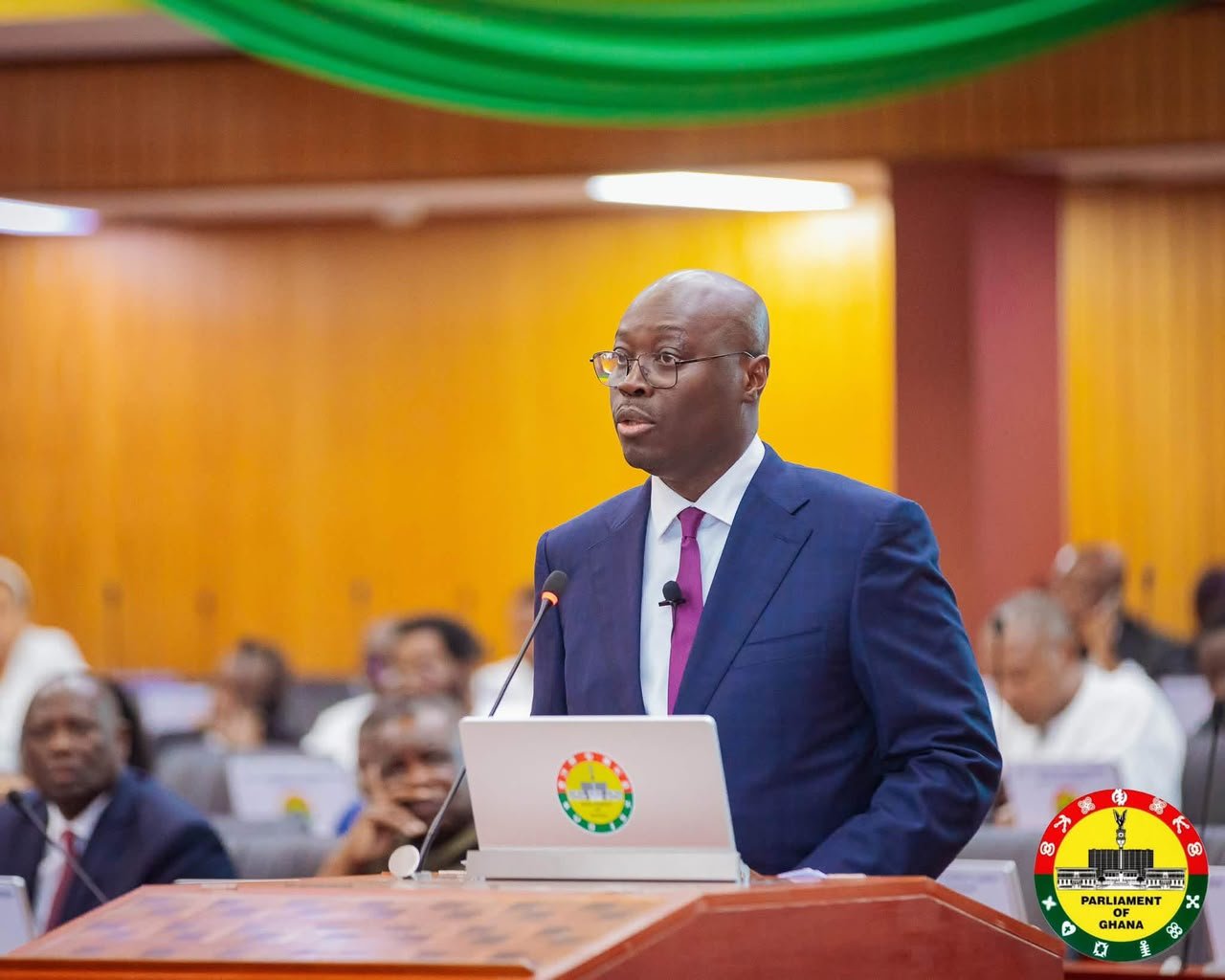
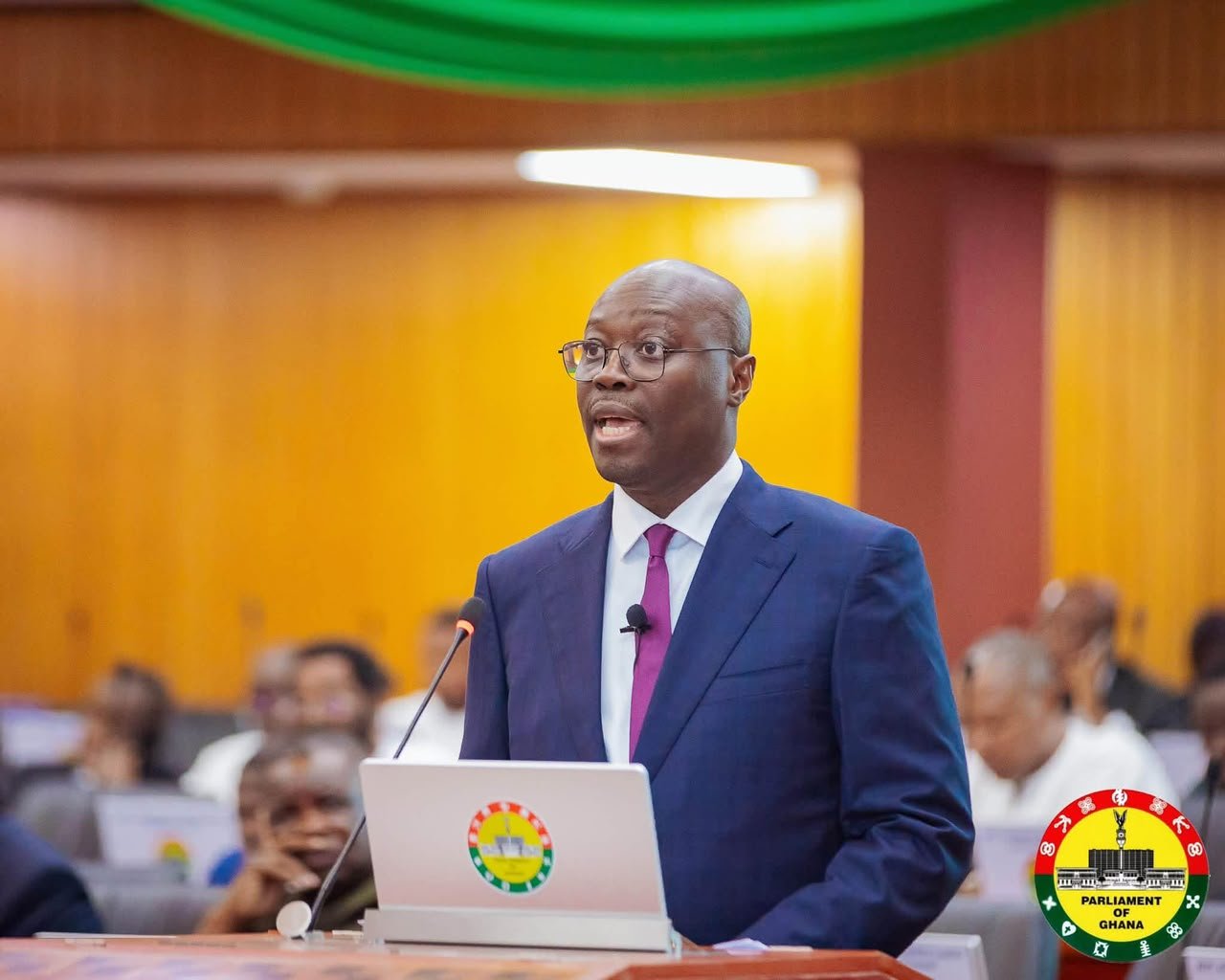
Unveiled during the presentation of the 2027 Budget Statement and Economic Policy to Parliament on Thursday, November 12, 2026, the initiative forms a core component of the government’s broader US10 billion, four-year "New Economy" transformation programme. By pairing foundational broadband upgrades with advanced computing infrastructure, the administration aims to position Ghana's technology sector as a primary driver of productivity, job creation, and sustainable economic growth.
At the center of the high-tech push is the proposed National Artificial Intelligence Centre, which will provide shared high-performance computing infrastructure for local innovators, researchers, and businesses. Beyond hardware access, the facility is designed to anchor applied artificial intelligence research and deliver practical digital skills training to young Ghanaians as well as small and medium-sized enterprises (SMEs). This targeted capacity building seeks to lower the barrier to entry for local tech startups and equip domestic industries with modern analytical tools without relying heavily on expensive foreign infrastructure.
Complementing the AI hub is an aggressive rural telecommunications overhaul aimed at eliminating the persistent digital divide between urban centers and underserved communities. By transitioning legacy 2G networks across rural Ghana to dependable 4G connectivity over the two-year window, millions of citizens in agrarian and remote areas will gain high-speed internet access for the first time. Reliable broadband in these regions is expected to unlock widespread adoption of mobile financial services, digital health platforms, precision agriculture tools, and e-learning resources.
Economically, the dual investment reflects a deliberate shift from basic macroeconomic stabilization toward structural modernization and value-added production. Dr. Forson emphasized that the New Economy agenda is built on eight interconnected pillars designed to transition Ghana away from raw material dependency toward industrialization and high-skill employment. Integrating rural communities into the digital economy while simultaneously fostering homegrown AI solutions ensures that technological progress translates into broad-based national competitiveness rather than isolated urban growth.
As implementation gets underway in 2027, the success of the US$300 million allocation will hinge on timely infrastructure deployment, public-private partnerships with telecom operators, and effective regulatory oversight. If executed on schedule by 2028, the combined National AI Centre and nationwide 4G expansion could serve as a regional benchmark in West Africa, laying the digital groundwork necessary to power Ghana’s next phase of industrial and economic development.
@Volta Today
Comments
No comments yet. Be the first to share your thoughts!
Leave a Comment