


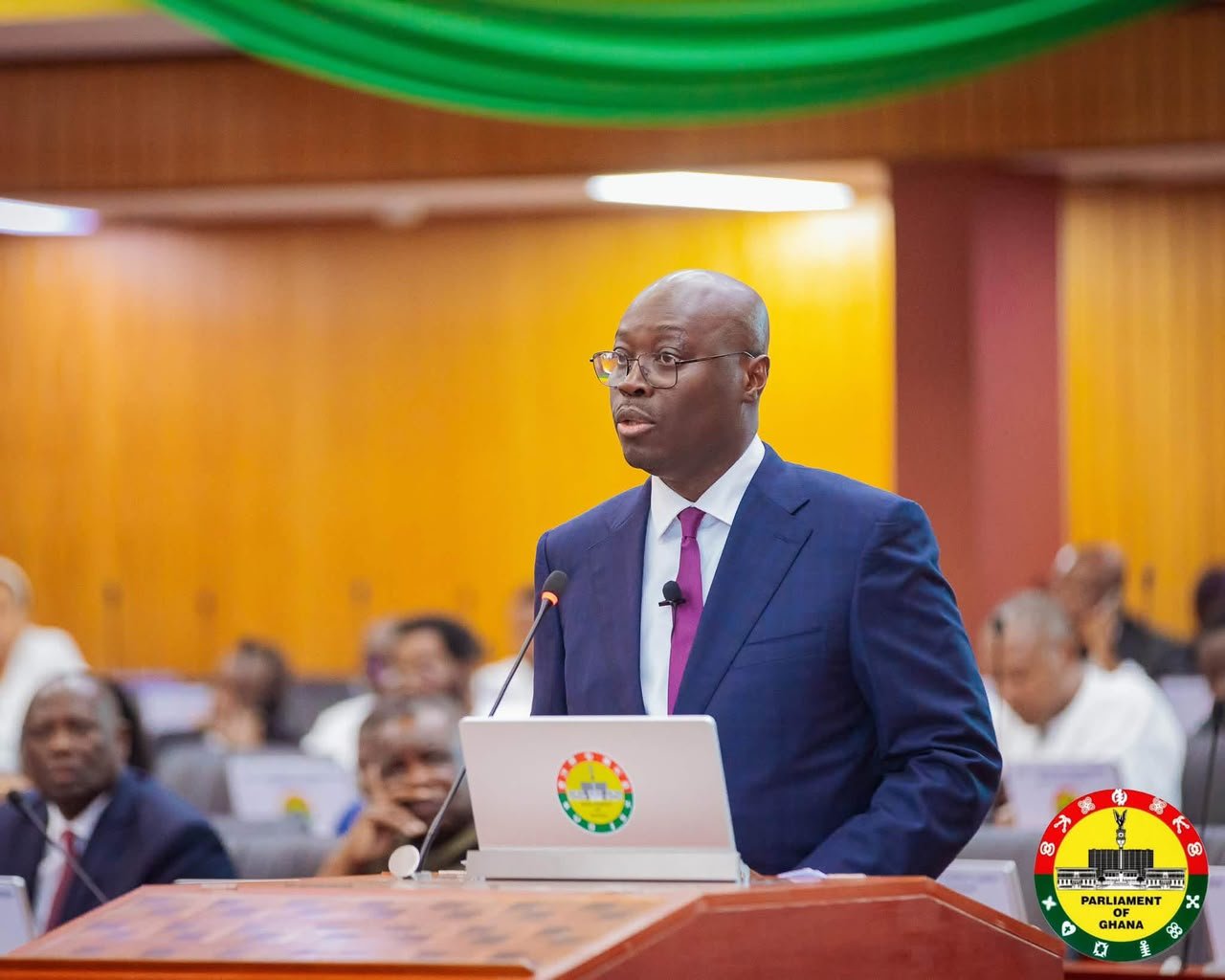
Ghana’s Minister for Finance, Dr. Cassiel Ato Forson, has announced a US1 billion government commitment to fully construct and complete the long-awaited Pwalugu Multipurpose Dam as a cornerstone of the country's drive toward vegetable self-sufficiency. Presenting the 2027 Budget Statement in Parliament on Thursday, November 12, 2026, Dr. Forson emphasized that the landmark infrastructure project will anchor the commercial agriculture pillar of the administration’s broader US10 billion "New Economy" programme. With the first phase expected to be delivered by 2029, the investment is designed to transition northern Ghana into a year-round agricultural powerhouse, drastically cutting the nation’s heavy reliance on imported vegetables and staple foods.
At the heart of the Pwalugu project is a massive irrigation scheme spanning more than 25,000 hectares of farmland, which will enable continuous, climate-resilient cultivation of tomatoes, onions, sweet peppers, and other high-demand vegetables. For decades, seasonal rainfall patterns and perennial flooding along the White Volta River have constrained domestic vegetable output, forcing Ghanaian markets to depend heavily on imports from neighboring countries during dry spells. By guaranteeing steady water supply throughout the year, the dam will empower local farmers to scale up yields, stabilize food prices, and feed domestic agro-processing industries.
Beyond its transformative impact on crop production, the Pwalugu Multipurpose Dam is engineered to deliver critical multi-sectoral dividends across northern Ghana. According to the Finance Minister’s budget presentation, the facility will generate 70 megawatts of clean hydroelectric power to strengthen the national grid and support large-scale aquaculture initiatives aimed at closing Ghana's annual fish supply deficit. Furthermore, the reservoir will serve as a vital flood-control mechanism, protecting downstream communities and farmlands in the North East and Upper East regions from the devastating seasonal inundations that routinely displace residents and destroy livelihoods.
The renewed financial backing breathes definitive life into a flagship project that has remained on the drawing board for decades despite previous feasibility studies and preliminary sod-cutting ceremonies. By integrating the US$1 billion Pwalugu investment with parallel initiatives such as planned bans on commercial rice imports by 2030 and expanded local processing the government is signaling a decisive shift from import dependency toward domestic food sovereignty. Once operational, the dam is expected to generate thousands of direct and indirect jobs across farming, fisheries, logistics, and agro-processing, laying an enduring foundation for rural industrialization and economic resilience.
@Volta Today

Comments
No comments yet. Be the first to share your thoughts!
Leave a Comment