

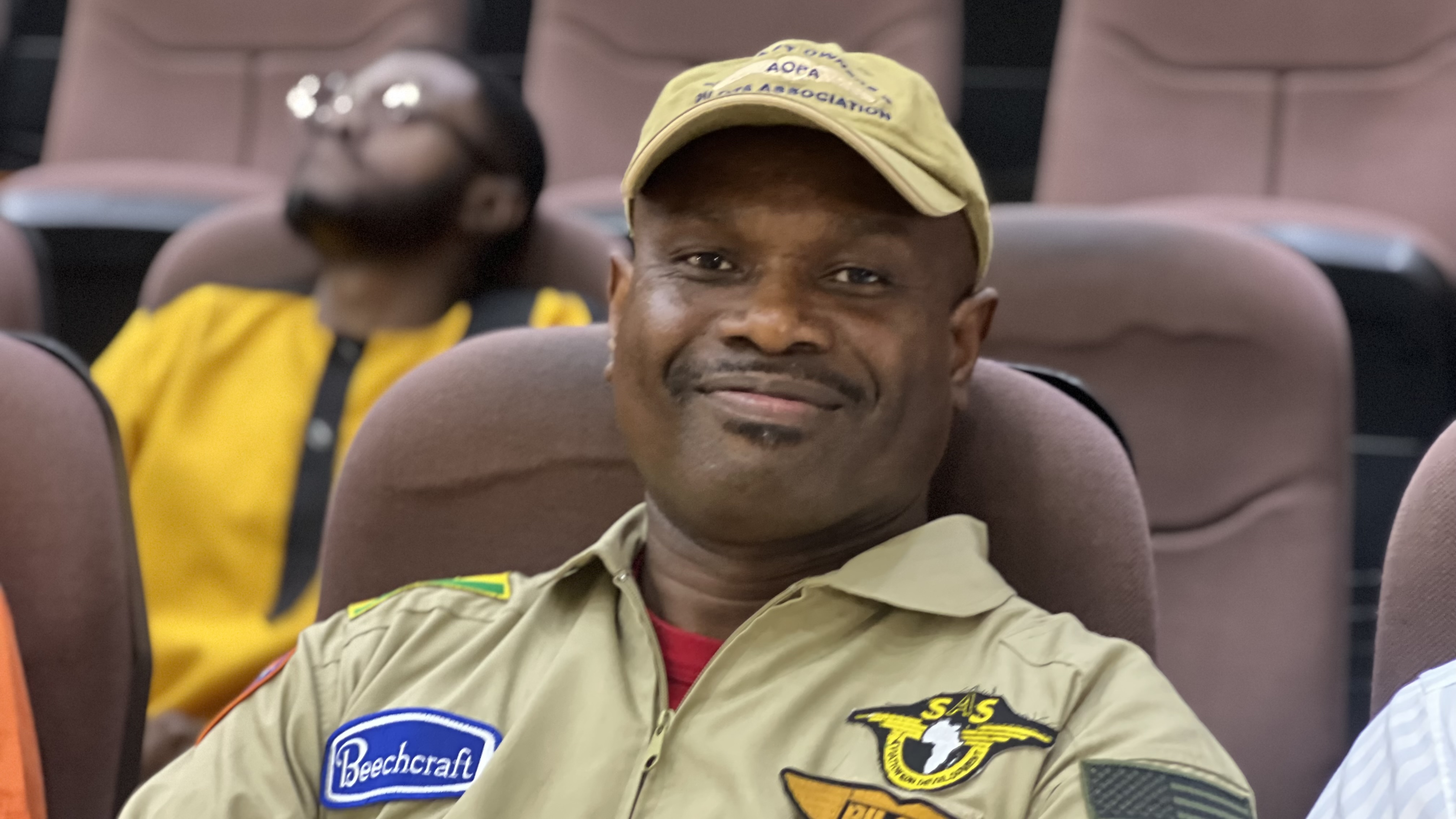
An ambitious vision to transform Ghana's aviation sector took center stage at the University of Ghana during the "Arise and Fly" townhall meeting on May 26. In an interview with Voltatoday, Captain Asiwome Dzakuma, an accomplished pilot with United Airlines, shared an inspiring blueprint aimed at breaking down traditional barriers to the aviation industry.
The event brought together sector innovators, academic minds, and aspiring aviators to discuss how general aviation can become an accessible tool for socioeconomic growth rather than an exclusive luxury.
At the core of Captain Dzakuma’s address was a profound desire to give back to his home country by uplifting communities that have historically been disconnected from the aviation world. He articulated a mission centered on altruism and public service, emphasizing that the specialized knowledge and resources built over a career in international aviation should be channeled into local development.
This intentional focus on civic duty underscored the broader goal of the "Arise and Fly" initiative: to use aviation as a vehicle for sustainable empowerment across Ghana.
Central to Dzakuma's speech was the concept of bringing general aviation directly to the "doorsteps of everyone."
For decades, commercial and private flight in West Africa has been perceived as a playground reserved strictly for the wealthy or deeply connected elite. By shifting the focus to general aviation which encompasses light aircraft, private piloting, regional agricultural flying, and localized flight training the initiative aims to strip away this stigma, making aviation an everyday reality for ordinary Ghanaian citizens and regional communities.
The townhall discussion also brought vital geographic and economic opportunities to light, particularly regarding the development of regions outside the capital. Presenters at the seminar, including fellow innovator Captain Victor Batse, noted that massive expanses of unutilized land across regions like the Volta Region hold immense potential for aviation purposes.
Transforming these unused territories into localized airstrips and training grounds could fundamentally revolutionize domestic logistics, medical emergency responses, agricultural surveying, and regional tourism.
Beyond structural logistics, the event heavily emphasized the democratization of aviation education and career entry. By establishing grassroots touchpoints, the organizers aim to inspire a new generation of Ghanaian youth to look toward the skies for career opportunities.
Deconstructing the elite barrier means that young students from various socio-economic backgrounds can realistically envision themselves as future aircraft mechanics, drone operators, commercial pilots, and aerospace engineers, thus fostering a self-sustaining local industry talent pool.
Ultimately, Captain Dzakuma’s message serves as a powerful call to action for both institutional stakeholders and the general public to rethink the boundaries of local infrastructure. True national development relies on daring to innovate in sectors previously deemed out of reach.
As the momentum from the "Arise and Fly" townhall continues to generate public interest online, it sets a hopeful precedent for how diaspora expertise can merge with local ambition to expand Ghana's horizons, one airstrip at a time.



Comments
No comments yet. Be the first to share your thoughts!
Leave a Comment