

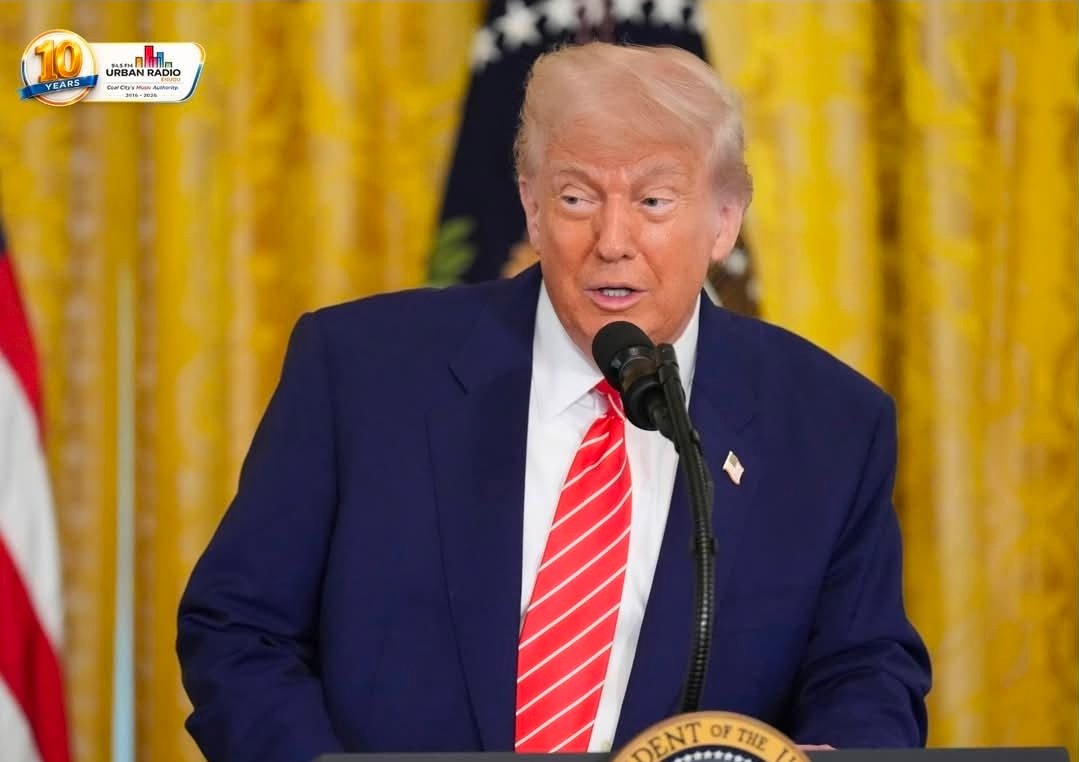
US political discourse on international security has taken a fierce turn as President Donald Trump issued a stern warning regarding foreign leaders with alleged ties to narcotics networks. Signaling an aggressive expansion of American law enforcement standard, Trump declared that the United States will strictly refuse to entertain any global leader tied to the illicit drug trade, making it clear that international office will no longer offer a shield against criminal indictment or military capture.
Taking a hardline stance on transnational crime, the administration explicitly framed narcotrafficking networks as fundamental threats to American national security. Drawing direct comparisons to the high-profile targeted arrest of Venezuelan leader Nicolás Maduro, Trump warned that the US is prepared to deploy decisive legal and enforcement operations anywhere in the world to apprehend high-ranking officials linked to drug syndicates. The rhetoric signals a sharp pivot toward zero-tolerance unilateral action, asserting that state sovereignty will not prevent Washington from pursuing foreign figures accused of fueling the global drug crisis.
The bold declaration has ignited immediate debate across international diplomatic channels and global news platforms. While allies aligned with Washington’s regional security initiatives have voiced support for stricter anti-cartel measures, foreign policy critics and defense analysts warn that targeting sitting or former heads of state sets a volatile precedent. As governments worldwide assess the implications of America’s hardened posture, the statement marks a defining moment that could fundamentally reshape international relations and state immunity under US foreign policy.
@Volta Today

Comments
No comments yet. Be the first to share your thoughts!
Leave a Comment