

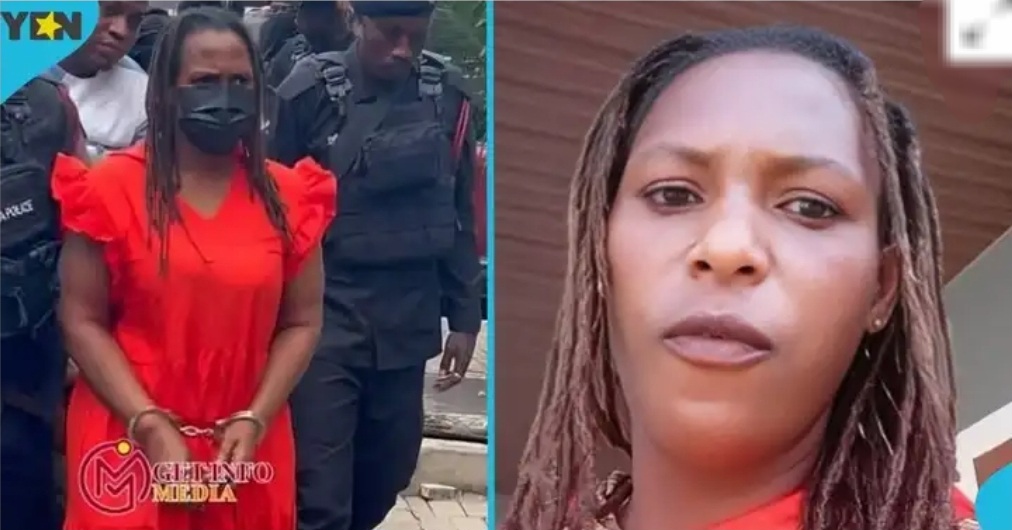
43-Year-Old Content Creator Faces Sentencing After Viral Videos Targeting President Mahama.
Ghanaian TikToker Camilla Alhassan, aged 43, was arrested by the Ghana Police Service on Friday, July 10, 2026, over a series of social media videos containing unsubstantiated claims about President John Dramani Mahama. She was arraigned the same day before Accra Circuit Court 1, presided over by Her Honour Emmanuella Asmah, where she pleaded guilty to charges of offensive conduct and publication of false news.
The videos, which gained significant traction online in the wake of recent flooding and fire incidents in parts of Accra, allegedly linked the President to ritualistic practices, including claims that he had "sacrificed" or "buried" 32 cows to secure political power. Prosecutors stated that these allegations lacked any supporting evidence and had the potential to mislead the public. Alhassan reportedly also made derogatory remarks and suggested that government actions, such as the distribution of sanitary pads, were attempts to conceal these supposed acts.
Court Orders Pregnancy Test and Remands TikToker Pending July 16 Sentencing
Following her guilty plea, the court did not deliver an immediate sentence. Instead, it adjourned proceedings to Thursday, July 16, 2026, and directed that Alhassan undergo a pregnancy test before judgment. She was remanded into prison custody in the interim. The decision to order the test has drawn public commentary regarding standard court procedures in such cases.
This rapid legal process from arrest to plea in a single day highlights the authorities' focus on addressing the spread of misinformation, particularly content that targets high-profile public figures and could incite unrest. Alhassan's case has sparked widespread discussion on social media platforms about freedom of expression, the responsibilities of content creators, and the boundaries of online speech in Ghana.
Broader Context: Rising Scrutiny on Social Media Influencers and Political Discourse
Alhassan's videos emerged amid public frustrations over national challenges, including economic hardships and environmental disasters. In earlier content, she criticized the President's travel and governance, amplifying circulating rumors without verification. Her claims of being contacted by someone identifying as a CID officer prior to arrest further fueled online debates.
The incident underscores ongoing tensions in Ghana's digital space, where viral content can quickly influence public opinion but also attract legal repercussions under laws governing false publication and offensive behavior. Similar cases involving other TikTokers have been reported, reflecting a pattern of increased police action against unverified political commentary.
Public Reactions and Implications for Online Accountability
Reactions to Alhassan's arrest and plea have been mixed. Some Ghanaians praised the swift response as a necessary step to curb misinformation and maintain respect for leadership, while others expressed concerns about potential overreach or selective enforcement in political discourse. Comments on platforms like X and Facebook ranged from calls for evidence-based speech to debates on past similar incidents involving different political figures.
As the sentencing hearing on July 16 approaches (or unfolds, depending on timing), the case serves as a reminder for digital creators to exercise caution. Legal experts and observers anticipate that the outcome could set a precedent for handling false news cases in an era of rapid social media dissemination. Alhassan's situation continues to attract significant public interest across Ghanaian news outlets and social platforms.
Comments
No comments yet. Be the first to share your thoughts!
Leave a Comment