

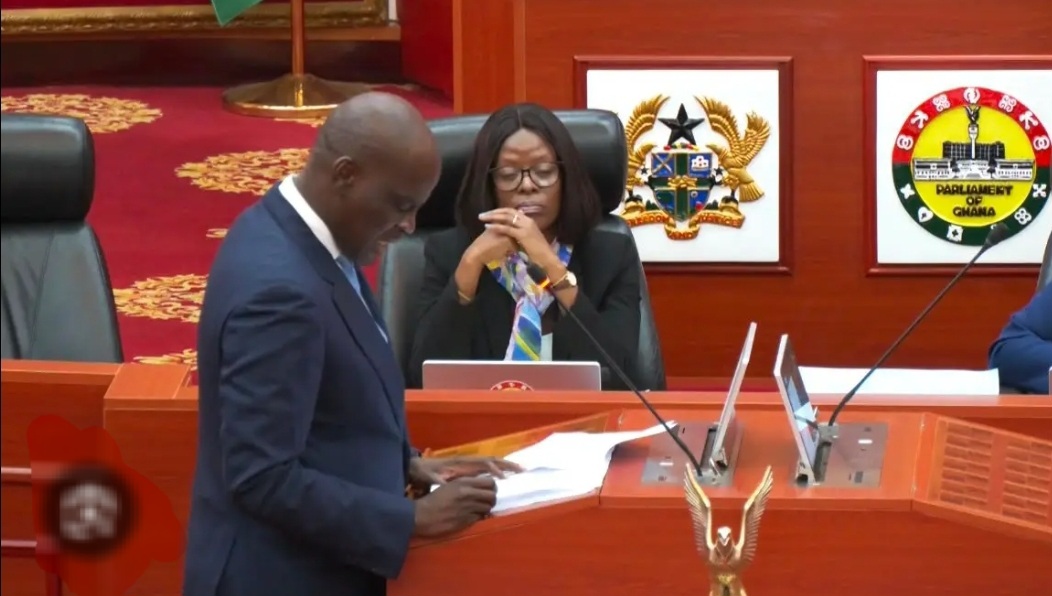
In a significant policy shift aimed at optimizing educational resources, the Ghanaian government has announced a reduction in the duration of study leave with pay for teachers serving in rural areas. Effective immediately, the maximum period for such leave has been cut from three years to two years. This decision, highlighted in recent media reports, underscores the government's commitment to balancing teacher professional development with the urgent need to maintain consistent staffing in underserved communities.
The adjustment targets teachers in rural districts where shortages are often most acute. Under the previous arrangement, educators could pursue further studies for up to three years while receiving their full salaries, allowing many to obtain advanced qualifications. The new two-year cap seeks to shorten the time teachers are away from their classrooms, ensuring that students in these areas experience less disruption to their learning. Officials believe this change will encourage more efficient study programs and quicker reintegration of trained educators into the system.
Education stakeholders have mixed reactions to the policy. Proponents argue that it promotes accountability and helps address chronic teacher absenteeism in rural schools, where replacements are difficult to find. Critics, however, worry that the shortened timeframe may discourage teachers from pursuing higher education altogether, potentially affecting the overall quality of instruction in the long term. Many teachers in rural postings already face challenges such as limited access to academic institutions and additional living expenses.
This move forms part of broader efforts to reform the education sector and improve learning outcomes nationwide. By tightening study leave provisions, the government aims to retain more qualified personnel in classrooms while still supporting professional growth. Rural schools, which have historically struggled with staffing stability, are expected to benefit most directly from the policy.
As the new guidelines take effect, teachers and school administrators are advised to review their professional development plans accordingly. The government has indicated that further details on implementation, including any exceptions or support mechanisms, will be communicated through the Ghana Education Service. This policy adjustment highlights the ongoing tension between investing in teacher capacity and ensuring uninterrupted education for Ghana’s rural youth.
Source: GH One TV


Comments
No comments yet. Be the first to share your thoughts!
Leave a Comment