

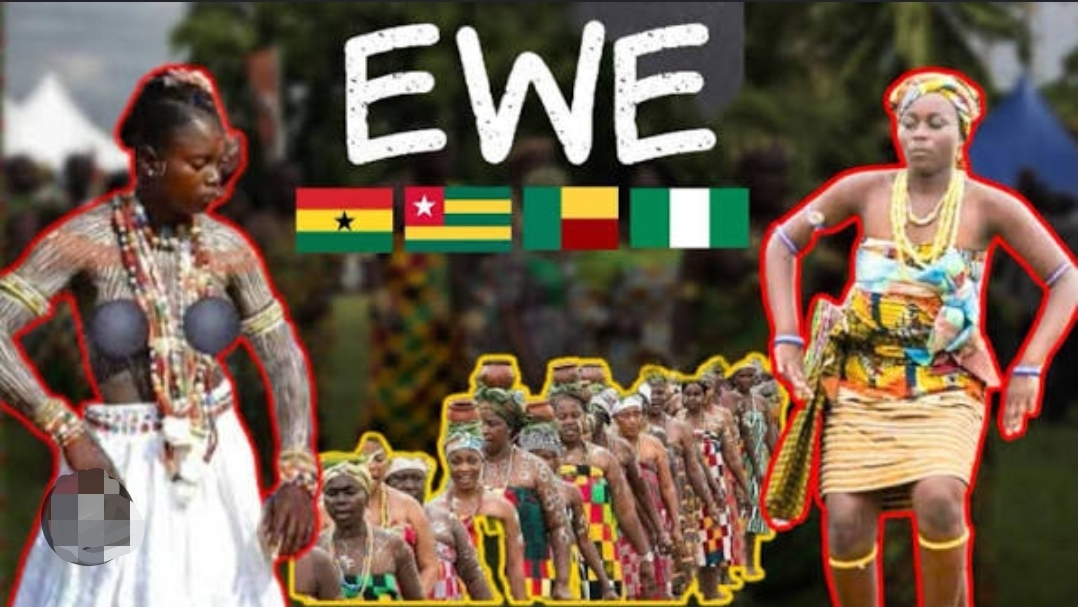
The Ewe people of Ghana’s Volta Region, along with communities in neighboring Togo and Benin, possess a vibrant visual language known as Eue Dzesiwo or Indigenous Ewe Symbols. These powerful icons, rooted in proverbs, myths, and ancestral wisdom, serve as vessels for communicating philosophy, morality, history, and spirituality. Courtesy of the Centre for National Culture in the Volta Region, collections of these symbols highlight their role in daily life, from decorating traditional kete cloths and architecture to guiding community values.
The Origins and Cultural Significance of Ewe Symbols
Ewe symbols evolved from ancient myths that transformed into fables, poems, songs, and eventually proverbs. Each symbol encapsulates a lesson or truth about life, often derived from observations of nature, human experiences, and communal living. They appear in royal regalia, linguistic staffs, stools, canoes, doors, paintings, and textiles, acting as educational tools that transcend literacy. Reserved for chiefs, elders, traditionalists, and everyday community members, these symbols foster unity, identity, and resilience amid modern influences.
Key Examples and Their Profound Meanings
Among the prominent symbols is Fiayi (royal sword), representing chiefly authority, justice, and adaptability. Derived from the proverb about using a royal sword to cut a tree when necessary, it teaches that some challenges demand unconventional solutions. Kavuvu (vine support) symbolizes patience, growth, and interdependence, illustrated by the proverb of a vine thriving on a living tree, emphasizing communal support. Zegbagbã (broken pot) embodies imperfection and tolerance, reminding us that mishaps are inevitable in life and should be met with understanding. Nu Kple Ge (mouth and beard) signifies sharing and generosity, drawn from the image of food spilling into the beard when the mouth is full.
Other symbols in traditional displays evoke themes like harmony, mortality, worship, and resilience such as representations of lanterns, eyes, palm trees, or natural elements each carrying layered philosophical interpretations that connect the Ewe worldview to broader African traditions.
Preserving and Reviving Ewe Symbols for Future Generations
In today’s globalized world, Ewe symbols face the risk of fading, yet initiatives by cultural centers, educators, and artists are breathing new life into them through festivals like Ewe Za, textile designs, clothing accessories, and digital education. Incorporating these symbols into contemporary art, fashion, and education not only honors ancestral knowledge but also promotes cultural tourism and pride. By learning and applying Eue Dzesiwo, communities strengthen their identity while sharing timeless wisdom with the world.
Embracing Ewe Wisdom in Modern Times
The enduring appeal of Indigenous Ewe Symbols lies in their ability to offer guidance on universal themes leadership, patience, tolerance, and community. As visual proverbs, they invite reflection and dialogue, bridging past and present. Whether displayed in homes, worn as motifs, or studied in schools, these symbols remind us of the deep cultural reservoirs that enrich Ghanaian and African heritage. Exploring them fosters greater appreciation for the Volta Region’s contributions to humanity’s collective story of resilience and interconnectedness.

Comments
No comments yet. Be the first to share your thoughts!
Leave a Comment