

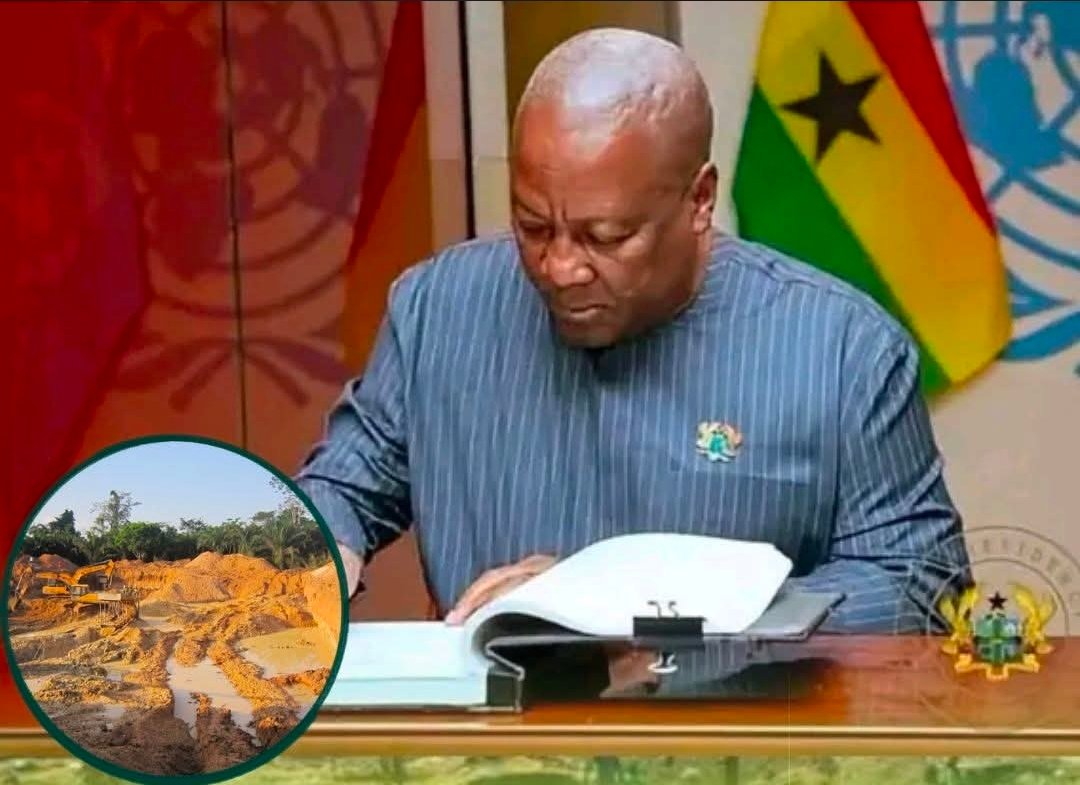
Ghana has recorded roughly $21 billion in export earnings from its gold sector, underscoring a decisive realignment in how the nation monetizes its most valuable natural resource. Rather than relying on traditional trade routes into the United States and the broader European Union, Accra’s gold shipments are increasingly flowing toward major refining and trading hubs in the United Arab Emirates, Switzerland, and South Africa. This surge in export revenue which accounted for nearly 69 percent of Ghana's total export earnings in the first ten months of 2026 highlights both strong global bullion demand and the country's deliberate push to capture greater value through domestic refining and diversified bilateral partnerships.
By pivoting toward non-traditional buyers and regional partners, Ghana is insulating its foreign exchange inflows from the regulatory bottlenecks and rigid financing structures often associated with Western markets. Dubai has rapidly solidified its position as a premier destination for African bullion, offering streamlined liquidity and fewer bureaucratic hurdles, while Switzerland remains a cornerstone for high-grade global refining. Simultaneously, robust trade volumes with South Africa demonstrate the growing viability of intra-African mineral commerce, keeping more capital circulating within the continent’s financial ecosystem.
Economic and geopolitical analysts view Ghana’s $21 billion milestone not as an isolated success, but as a bellwether for a sweeping transformation across Africa’s extractive industries. Across the continent, resource-rich nations are generating substantial revenues from gold, lithium, cobalt, and rare earth elements during a period marked by the steady contraction of Western military footprints and legacy corporate dominance. As traditional Western security partnerships and mining conglomerates recede or face heightened scrutiny, African governments are exercising greater autonomy over licensing, local content requirements, and export destinations.
This geopolitical vacuum has catalyzed aggressive resource nationalism and a wave of beneficiation policies aimed at ending the centuries-old model of exporting raw, unprocessed ores. From lithium export bans in Southern Africa to revised mining codes across the Sahel and West Africa, governments are increasingly leveraging global demand for green-transition minerals to negotiate fairer equity stakes and mandate local processing. With alternative buyers in the Gulf, Asia, and neighboring African states competing fiercely for supply, producing nations now wield unprecedented pricing power and diplomatic leverage.
Ultimately, Ghana’s record bullion earnings illustrate how shifting global alliances are rewriting the rules of African resource governance. As Western influence wanes and multipolar trade networks mature, African economies are proving they can independently command top market value for their mineral wealth. Moving forward, the central challenge for Accra and its continental peers will be translating these historic export windfalls into sustainable domestic infrastructure, industrial capacity, and long-term economic resilience.
For further context on the recent figures driving Ghana's export surge, watch Gold powers Ghana's export earnings, which breaks down how gold pushed the country's overall export revenue to record highs in 2026.
@Volta Today


Comments
No comments yet. Be the first to share your thoughts!
Leave a Comment