
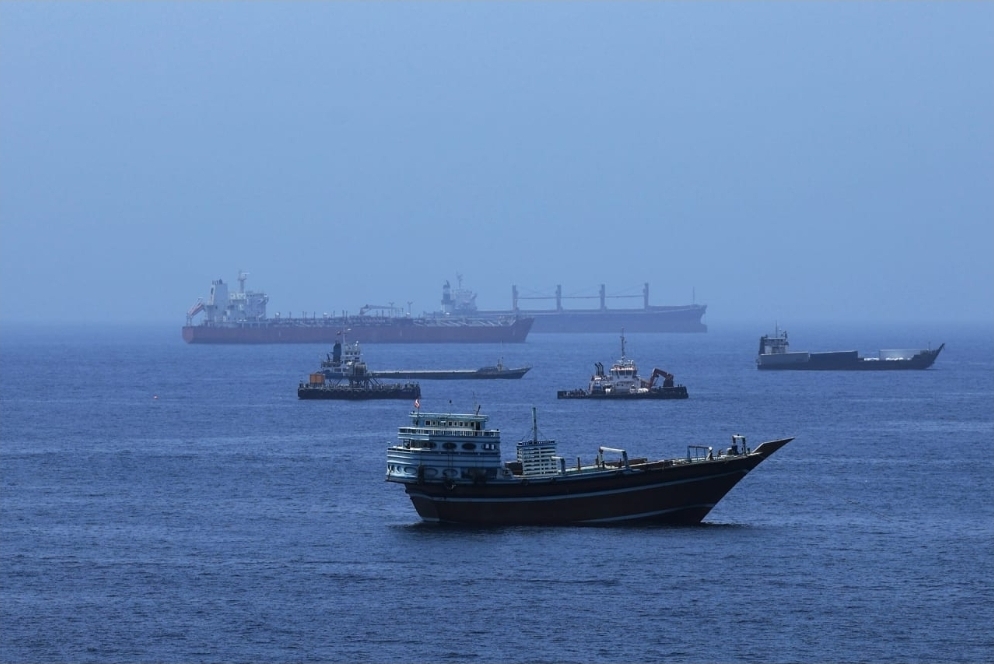
The Islamic Revolutionary Guard Corps (IRGC) has effectively closed the Strait of Hormuz, a critical chokepoint for global energy supplies, intensifying the ongoing US-Iran conflict. This move comes as tensions boil over following recent strikes and retaliatory actions, disrupting the flow of approximately one-fifth of the world's oil and liquefied natural gas. Energy markets are already reacting with volatility, as shipping traffic through the narrow waterway has slowed to a trickle. Analysts warn that prolonged closure could push crude oil prices toward unprecedented levels, with immediate ripple effects on global fuel costs.
Experts predict another sharp increase in fuel prices at the pump as supply disruptions compound existing shortages. With tankers bottled up in the Persian Gulf and insurance premiums for transit skyrocketing, refiners and distributors are facing higher costs that are quickly being passed on to consumers. In the United States, average gasoline prices have already risen significantly since the conflict intensified, and further spikes are anticipated without swift resolution. The situation threatens to slow global economic growth, affecting everything from transportation to manufacturing.
The closure represents a high-stakes leverage play by Iran in response to US and allied military actions. The IRGC has targeted vessels and enforced restrictions, aiming to pressure negotiations while highlighting vulnerabilities in global energy infrastructure. However, this strategy also harms Iran's own export capabilities and economy. Alternative routes, such as pipelines to the Red Sea, offer only limited relief and cannot fully compensate for the lost volumes.
As the conflict continues, governments and energy companies are scrambling for mitigation strategies, including drawing down strategic reserves and seeking supplies from other regions. Consumers and businesses should prepare for sustained higher energy costs, with potential impacts on inflation and household budgets. The coming weeks will be decisive in determining whether diplomatic efforts can reopen the strait and stabilize markets, or if further escalation will deepen the energy crisis.



Comments
No comments yet. Be the first to share your thoughts!
Leave a Comment