

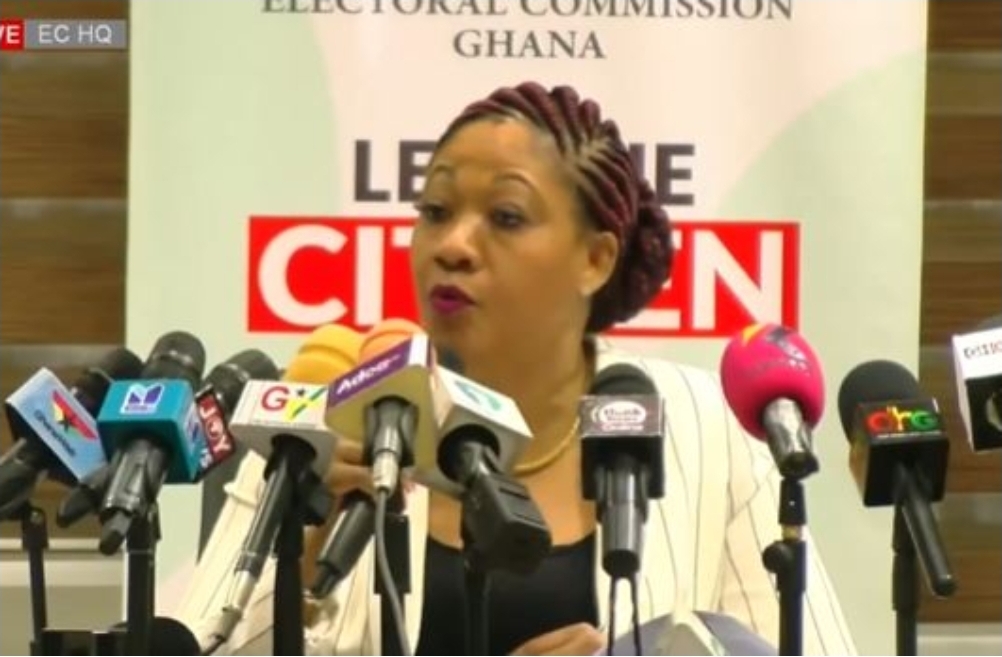
The Electoral Commission of Ghana is at the center of renewed calls for structural reforms, with stakeholders advocating that appointments of key officials should originate from or receive strong parliamentary input rather than executive dominance. This proposal aims to enhance independence and reduce perceptions of partisanship in the commission.
Reform discussions emphasize the need for greater transparency in the appointment process, including qualifications tied to parliamentary oversight, to safeguard the credibility of future elections. Past controversies have fueled demands for constitutional or legislative changes to insulate the EC from political interference.
Proponents argue that shifting influence toward Parliament would foster bipartisanship and public confidence, especially after high-stakes elections that exposed vulnerabilities in the system. Broader talks also cover financial autonomy and prosecution powers for electoral offenses.
Critics caution that such changes must be carefully balanced to avoid politicizing the commission further, but many analysts see parliamentary involvement as a step toward long-term stability in Ghana’s democracy.
As these conversations gain momentum, they could shape the future of electoral governance, ensuring that institutions like the EC remain impartial arbiters in the nation’s democratic journey.

Comments
No comments yet. Be the first to share your thoughts!
Leave a Comment